1. Getting Started with PLR Children’s Products
What if you could launch a children’s product without writing every page or creating every illustration from scratch? That is the appeal of PLR, or private label rights. PLR products are pre-created materials that you can often edit, re-brand and sell as your own, provided you follow the licence terms.
Depending on the licence, you may be allowed to change the text, add your logo, redesign the pages, combine the content with other resources and sell the finished product. However, not every PLR licence gives you the same permissions. Always check whether commercial use, editing, print-on-demand sales and resale are allowed. Some licenses also prohibit you from passing the original PLR rights to another buyer.
Popular options include children’s Colouring Books, story books, activity books, printable worksheets and digital bundles. You could create a themed preschool pack, a bedtime story collection or a printable learning bundle for early readers.
PLR can save time, but it is not an instant income solution. Unedited files may look generic or contain mistakes, so you still need to improve the quality, present the product professionally, market it effectively and remain consistent.
Your potential customers include parents, teachers, homeschoolers, childcare providers and people looking for educational gifts. Think about which group you want to serve before choosing your products.
You may see the misspelled keyword Children Books in search data, but use clear, correctly spelled titles such as Children’s Books in your listings. Clear wording helps customers understand exactly what you offer.
2. Choosing High-Quality PLR Children’s Books
Before buying a PLR package, take time to check whether it meets a real need and feels suitable for children. Look for original content rather than generic pages that appear in dozens of other shops. Read sample stories carefully to assess spelling, grammar, vocabulary, pacing and the quality of the lesson. A book for toddlers should use simple language and large, clear images, while books for older children can include more detailed plots, activities or illustrations.
If you are a member of “The Hub Club”, we have a growing number of PLR Children’s Products for you to download now. We are adding a large amount over the next few weeks. Visit the page here: Please note, these are members downloads only.
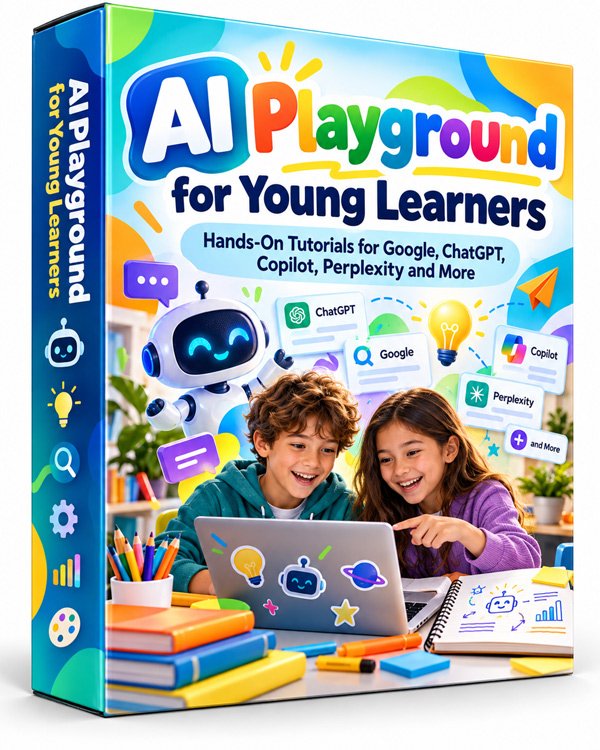
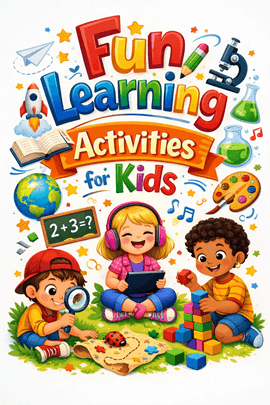
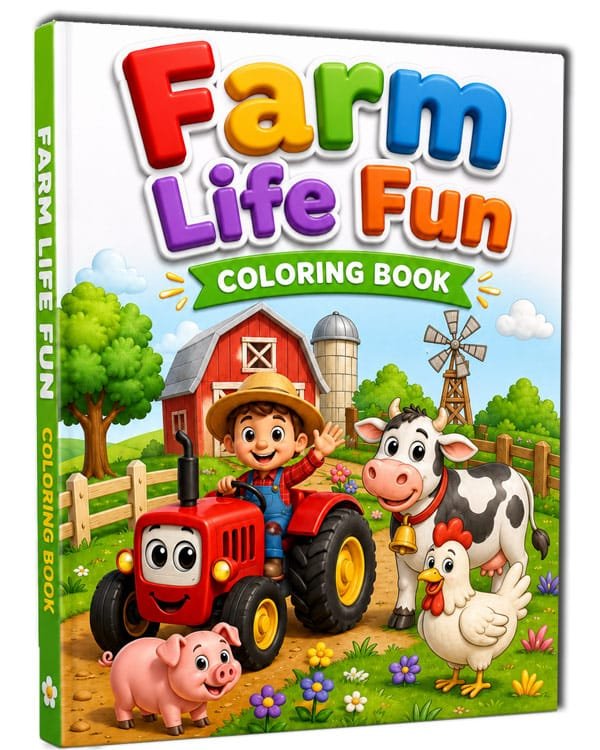
Educational value is another important factor. A strong package might support early reading, number recognition, emotional learning, creativity or problem-solving. The illustrations should be attractive, age-appropriate and high resolution enough for printing. Avoid files with blurry images, inconsistent artwork or characters that look copied from popular copyrighted brands.
Always read the PLR licence before purchasing. Confirm whether you can edit the text and illustrations, add your own branding, sell the finished product commercially and use it on a print-on-demand platform. Check whether you may sell printed copies, offer digital downloads or include the files in a bundle. Many licenses also prohibit passing the original PLR rights to another buyer, so never assume you can resell the source files.
Choosing a focused theme can make marketing easier. Consider animals, bedtime stories, numbers, holidays, early reading or emotional learning. Also find out whether the content is exclusive or widely resold. Search distinctive phrases or sample images to see how much competition already exists.
Use this quick checklist before buying:
- Correct spelling and grammar
- Clear page layouts and safe margins
- High-resolution images
- Child-friendly, inclusive language
- Culturally sensitive content
- No frightening, confusing or unsafe elements
- A licence that matches your selling plans
A careful review helps you turn PLR into a more valuable and trustworthy Children’s Books product.
3. Turning PLR Content into Better Colouring Books
Buyers are more likely to pay for a polished, original-looking product than an unchanged PLR file. Treat the PLR package as a starting point, then add your own improvements and personality.
Begin by rewriting the instructions so they are clear, friendly and suitable for the intended age group. You can also add new colouring pages, change the order, create themed sections and design a stronger cover. For example, an animal book could include sections for farm animals, jungle animals and ocean creatures.
Consider offering different levels of difficulty. Younger children may enjoy large, simple shapes with plenty of open space, while older children may prefer detailed illustrations and more challenging designs. This approach can also help you create separate products for different age ranges.
Useful extras can make your Colouring Books feel more valuable. Add tracing pages, drawing prompts, simple puzzles, reward charts, discussion questions or printable certificates. These additions give parents and teachers more ways to use the book beyond basic colouring.
Beginner-friendly design tools can help you adjust page sizes, margins, typography and image placement. Check that pages are suitable for home printing, with readable text and enough space around the edges. Export the finished file in a high-quality format, such as a print-ready PDF, if the licence allows it.
Finally, review every illustration before publishing. Remove anything confusing, blurry, unsuitable or inconsistent with the theme. A careful final check can prevent unhappy customers and help your revised PLR book look like a thoughtful, professional product.
4. Publishing and Selling PLR Story Books
PLR story books can become valuable products when you adapt them thoughtfully instead of selling the original file unchanged. Start by checking your licence, then improve the plot, character names, dialogue, lesson, pacing and ending. You might make the story more exciting, simplify the language for younger readers or give the characters clearer personalities. Do not add copyrighted characters, images or text unless you have permission to use them.
A consistent series can also encourage repeat purchases. For example, you could create bedtime adventures, kindness stories or animal detective tales with the same style, age range and visual branding. Parents and gift buyers may be more likely to purchase another title when each book feels connected.
Consider offering your story books in several formats:
- Downloadable PDFs for immediate home printing
- Printed books through print-on-demand services
- Personalised versions featuring a child’s name
- Narrated ebooks or audio story products
- Bundles containing several related stories
You can sell through your own website, digital marketplaces, print-on-demand platforms and teacher resource stores. Each channel has different rules about commercial use, editing, file formats, personalisation and resale rights, so read the terms carefully before listing a product.
Prepare professional files with a title page, copyright information, readable typography, clear page numbers and consistent illustrations. Include a short description explaining the recommended age, story theme, format and practical benefits for parents. A simple printing guide can also improve the customer experience.
With careful editing and clear presentation, PLR story books can become polished Children’s Books that fit naturally into a wider product range.
5. Building a Simple Online Product Brand
A clear brand helps your PLR products feel connected, trustworthy and recognisable. Instead of looking like random files from different sources, your Colouring Books, activity packs and story books can appear as part of one friendly collection.
Start with a memorable shop name that is easy to spell and suitable for both children and parents. Choose a simple colour palette, such as soft pastels or bright primary colours, and use it consistently across your covers, website and social media. Select two or three readable fonts, including one playful style for headings and a clean font for body text. Your visual style should match your audience and product type.
It also helps to choose a specific niche. You might focus on educational Colouring Books, calming bedtime stories, faith-based resources, preschool activity packs or printable learning materials. A clear focus makes it easier to attract the right customers and create related products.
Design attractive covers and preview images that show the quality and purpose of each product without revealing every page. Include a sample spread, a close-up of an illustration or a photograph of a printed page in use.
Keep product descriptions plain and benefit-focused. State the child’s recommended age range, number of pages, file format, learning value and printing instructions. Explain how the product can help with quiet time, early learning, creativity or family reading.
Finally, build an email list by offering a free sample, printable page or short story in exchange for permission to send useful updates. This gives interested parents and teachers a reason to stay connected with your brand.
6. Marketing PLR Children’s Products Online
Once your email list is ready, use a few simple marketing channels to help more parents and teachers discover your products. Pinterest works well for printable activities and Colouring Books because users often search for ideas they can save and use later. Instagram and TikTok are useful for showing page previews, creative activities and quick demonstrations. You can also share helpful posts in relevant Facebook groups, provided group rules allow promotion.
Content marketing builds trust over time. Share craft ideas, reading tips, printable activities and suggestions for using a story book at home. A short blog post about a bedtime routine, for example, could naturally mention a related bedtime story PDF. Email newsletters can include new product announcements, seasonal resources and useful tips for families or classrooms.
Use clear search phrases naturally in product titles, descriptions and website content. Examples include “PLR children’s books”, “printable colouring books”, “preschool activity book” and “bedtime story PDF”. Avoid filling your text with keywords. Focus on explaining what the product offers and who will benefit from it.
Show the product in use whenever possible. Photograph a printed colouring page, create a child-safe activity setup or record a short flip-through video. These demonstrations help buyers understand what they will receive.
Ask satisfied customers for honest reviews and testimonials, then display them prominently on your product pages. Start with one marketing channel, track views, clicks, downloads and sales, and make improvements based on the results. Consistent testing is more effective than guessing where your audience will respond.
7. Pricing, Profits and Common Beginner Mistakes
Before setting a price, calculate the full cost of creating and selling your product. This may include the PLR package, design software, marketplace fees, payment processing, advertising, printing, packaging and taxes. Even digital products have expenses, so leave room for profit rather than pricing based only on what competitors charge.
Compare similar products by quality, page count, format and target audience. A polished 40-page printable activity book may justify a higher price than a basic 10-page file. Also consider the value of bonuses, such as tracing sheets, certificates or extra Colouring Books. An affordable starter product can attract new customers, while larger bundles, printed editions and personalised versions provide opportunities for higher-value sales.
Avoid selling untouched PLR files whenever the licence requires meaningful changes. Customers usually expect an original, useful product, not a file they could find elsewhere. Never make unsupported income claims, use copyrighted characters without permission or copy another seller’s listing, images or descriptions. Always follow the PLR licence and each sales platform’s rules.
Quality mistakes can quickly lead to refunds and poor reviews. Check for spelling errors, uneven page layouts, weak covers, low-resolution illustrations and unclear printing instructions. Make sure the product description accurately matches what buyers receive.
Keep organised records from the beginning. Save licenses, source files, revised versions, expenses, sales figures and customer feedback in clearly la-belled folders. These records make it easier to update your products, understand your real profits and make better decisions as your online business grows.
8. A Practical Plan for Launching and Growing
A simple first-month plan can help you move from an idea to a real online product. Start by choosing one focused niche, such as preschool animals, bedtime adventures or educational Colouring Books. Buy a suitable PLR package, read the licence carefully and confirm that you are allowed to edit, brand and sell the content.
Next, improve one product instead of rushing to create a large catalogue. Rewrite unclear text, check every illustration, adjust the layout and add useful extras where appropriate. Create a professional cover, product preview images and a sales page that clearly explains the age range, format, page count, benefits and printing instructions. Once the files are ready, publish the product and begin sharing helpful content through platforms such as Pinterest, social media or an email newsletter.
Before launch, ask a parent, teacher or trusted reader to review the book. They may notice confusing instructions, awkward wording or design issues that you missed. Use their feedback to make final improvements.
As sales and feedback grow, create related products that serve the same audience. You might develop matching story books, activity sheets or themed bundles. Build an email list by offering a free printable sample, and use a consistent shop name, colour palette and design style to create a recognisable brand.
PLR is a shortcut to a starting point, not a guaranteed business model. Long-term results come from customer value, originality and reliability. Start small, learn from each launch and keep improving. With patience, well-made PLR Children’s Books and Colouring Books can develop into a sustainable online income stream.